


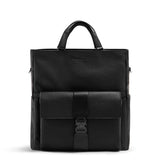






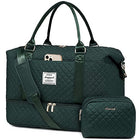


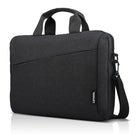

A work bag becomes part of your routine long before it becomes part of your outfit. It carries the objects that keep a day moving, travels with you through changing spaces, and needs to feel comfortable even when plans run late. Yet it also contributes to how you present yourself. The best everyday work bag is therefore a balance between capacity, organization, ease of movement, and personal style. Whether you are considering a laptop messenger, a structured tote, or a backpack, begin with the day you actually live—not an idealized version of it.
Define what you really carry
Empty the bag you use most often and make two groups: essentials you need daily and occasional items that can stay at home. Your regular set may include a phone, keys, wallet, notebook, charger, water bottle, or computer. Measure larger belongings before selecting a bag; product dimensions and advertised laptop compatibility are useful only when they match your actual device, including its sleeve. Leave a little space for the days when you carry an extra layer or documents, but avoid choosing an oversized bag simply because more capacity sounds useful. Excess room can encourage unnecessary weight.
Think about access and organization
Good organization reduces friction. A designated laptop area, an accessible phone pocket, and a secure place for smaller objects can be more valuable than numerous compartments you never use. Consider what you reach for while standing, commuting, or entering a meeting. If you regularly need your transit pass or keys, the placement of an exterior pocket may matter more than a decorative detail. Try packing the bag in the order you use your belongings. You should not have to unpack half its contents to find one item at the bottom.
Choose a carry style that suits your route
A messenger bag can offer quick access, but its weight rests differently from a backpack. A backpack often distributes a heavier load across two shoulders, while a tote may be convenient for shorter distances and frequent stops. A crossbody can work well when your essentials are comparatively light. Think about your commute, walking distance, and the amount of time you spend carrying the bag. Adjustable straps, handle comfort, and the way the bag sits against your body all deserve attention. There is no universally perfect carry method; the right one is the option that fits your movement.
Look for style that lasts beyond one outfit
A work bag often appears alongside different clothes: a button-down and trousers one day, denim and an overshirt the next. Neutral colors and restrained hardware can make styling easier, but you should still choose a finish that feels authentic to your taste. A structured shape adds definition to relaxed clothes; a softer silhouette can take formality out of tailored outfits. Notice how the strap interacts with outerwear and how the bag looks when filled. Its working shape, not just its product-page photograph, is what you will see every day.
Care for the bag you choose
Practical longevity begins with realistic care. Follow the manufacturer's instructions for the material and clean spills promptly using methods appropriate to that finish. Avoid placing more weight in the bag than its construction is designed to support, and do not rely on a water-resistant claim without checking exactly what it covers. Keep small electronics and important documents protected when weather is uncertain. Empty unnecessary receipts and loose items regularly. A quick weekly reset can improve access, reduce clutter, and keep your bag ready for the coming week.
Take a five-minute bag fitting test
Before committing to an everyday work bag, recreate a realistic load. Place the belongings you usually carry inside, fasten every closure, and try the handles and straps for several minutes. Open the main compartment while standing, retrieve your most-used object, and check whether the bag retains a manageable shape. If your workday involves a computer, use its actual measurements rather than relying solely on a broad product label. Consider how the bag looks alongside your most frequently worn jacket, too. This short test reveals practical details that staged photographs cannot show and helps prevent choosing a bag that suits your outfit better than your day.
THE MARVELLEA PERSPECTIVE
The best work bag rarely draws attention to how hard it is working. It fits your essentials, supports your daily movement, and looks at home with the wardrobe you actually wear. Choose for routine first, then let design make that routine feel better.