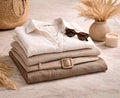
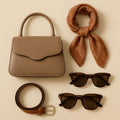

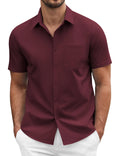



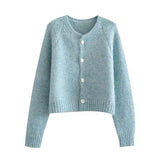




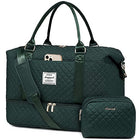

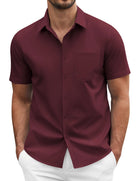
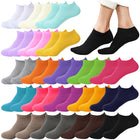

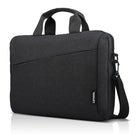

Some outfits earn a second look without using an elaborate combination or a long list of accessories. The secret is often the relationship between a polished element and something comfortably familiar. A tailored outer layer over a basic top, relaxed shorts with a defined belt, or a considered handbag next to uncomplicated separates can all create this effect. Call it high-low styling: mixing levels of formality and visual structure so the result feels modern rather than overly dressed. It is an approach suited to a wardrobe built for real life.
Pick one piece to set the direction
Begin with the element you want people to notice. It might be the shape of a blazer-inspired layer, a crisp shirt, a well-fitting pair of trousers, or a distinctive bag. Everything else should support that choice. When every component competes for attention, the outfit can lose clarity. If your leading piece has structure, pair it with softer basics and observe how the contrast changes its character. This technique works especially well when you have a busy day and want to look pulled together without sacrificing ease.
Mix casual and tailored proportions
A fitted tee under a roomy tailored layer creates a different line from a relaxed shirt worn over straight trousers. Neither is inherently better. The key is to decide where you want volume and where you want definition. Try a partial tuck to reveal the waist or keep the top untucked for a more flowing shape. If you like shorts, a longer outer layer can introduce an intentionally unexpected proportion. Consider comfort when walking and sitting, especially when pieces have different levels of structure. An outfit should be interesting from several angles and manageable throughout the day.
Make accessories practical but expressive
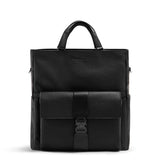
Accessories are especially effective when the clothing itself is simple. A belt can define a loose silhouette, sunglasses can emphasize a modern mood, and a handbag can establish the level of polish. Choose one or two details with a clear purpose. A compact shoulder bag may feel right when you are traveling light, while a tote can suit a fuller day. Pay attention to straps, hardware, and pocket access, not just appearance. A considered accessory should earn its place in the outfit every time you use it.
Use color to keep contrasts connected
High-low does not have to mean high contrast in color. A gray outer layer, white top, and soft neutral shorts can feel cohesive precisely because the palette is restrained. One darker bag or belt adds definition without overwhelming the balance. If you prefer brighter colors, let the accent appear in a controlled area, perhaps through an outer layer or small accessory. Keep the rest of the outfit visually calm. When the palette remains connected, the mix of casual and tailored pieces looks intentional rather than accidental.
Repeat your strongest combinations
Once you discover a formula that works, keep it. Change the tee, switch to denim, or replace the bag to make the look suit a different day. Outfit repetition is useful information: it reveals which pieces are comfortable, versatile, and aligned with your taste. A small collection of dependable combinations can reduce time spent choosing clothes while making more room for creative details. Before buying an item for a single striking look, ask whether it can fit into one of your favorite formulas. Versatility is an asset when it supports personal expression.
Ask the right questions before adding a piece
An expressive tailored item can be exciting, but a considered purchase should fit more than the mood of one afternoon. Before buying, ask how often you expect to wear it, which three existing pieces it complements, whether you have room to store it properly, and how much care it requires. Apply the same test to a statement bag. If it works beautifully with one look but feels inconvenient on ordinary days, it may not be the versatile addition you expected. These questions do not eliminate spontaneous style choices. They simply help distinguish a lasting favorite from an item that is impressive only in isolation.
THE MARVELLEA PERSPECTIVE
The high-low approach is less about price or occasion than it is about balance. One polished element, a relaxed foundation, and a practical finishing touch can carry an everyday outfit further than a crowded wardrobe ever could.