
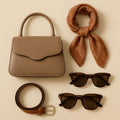

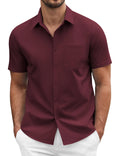

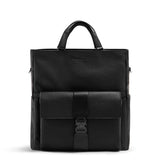


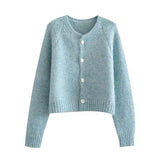







Great everyday style has room for different personalities. Two people can appreciate the same palette, relaxed silhouettes, and practical details without dressing alike. One may choose fluid trousers and a light layer; another may favor a simple dark tee and an open shirt. What connects the looks is not uniformity but a shared sense of ease. For an apparel and accessories wardrobe that includes women's, men's, and unisex options, that idea is especially useful: build around common principles, then leave the details open to the individual.
Coordinate through mood, not matching
There is an important difference between outfits that belong together visually and outfits that copy one another. Warm neutrals, natural textures, and similar levels of formality can create a unified effect even when the garments are completely different. Try pairing an ivory trouser look with a camel overshirt, or placing a lighter outfit beside a darker version of the same casual mood. The eye notices the relationship without searching for identical pieces. This is useful for couple styling, travel photography, and anyone building a flexible wardrobe across different cuts and preferences.
Give each silhouette its own character
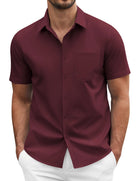
An overshirt can be the centerpiece of one outfit while a soft cardigan defines another. Wide trousers feel relaxed and modern; a straight-leg denim shape gives a different kind of structure. Avoid treating categories as strict rules about who should wear what. Instead, consider how each person prefers clothing to fit, move, and layer. Unisex basics offer one useful starting point, but individual styling is what gives them life. Shared taste is often most interesting when it leaves space for difference.
Use one accessory to tell the story
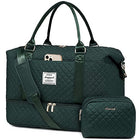
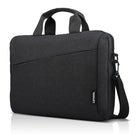
A bag can shift the mood of an entire look. A small shoulder bag contributes a refined finish, a backpack suggests an active schedule, and a crossbody keeps movement easy. Choose accessories according to what the day requires, then consider how their color and size relate to the outfit. A dark bag against pale clothing creates a deliberate focal point; a tan or stone piece blends into a neutral palette. Both approaches work. The point is to make everyday objects part of the visual story rather than an afterthought.
Plan shared days without overpacking
Whether you are heading out together or preparing for a short trip, adaptable clothing reduces unnecessary decisions. Each person can select a base outfit and add a layer that works with at least one alternative. Keep a practical bag for items you need frequently and avoid assuming everything must coordinate perfectly. One person may prefer carrying a tote; another may feel more comfortable with a compact sling. Function and comfort matter as much as the photograph. The most successful shared style is usually the one that lets everyone enjoy the day.
Make simple moments look intentional
A stairway, a café stop, or an afternoon walk can become a compelling style moment when the clothes feel appropriate to the setting. Natural movement often reveals more character than an elaborate pose. Adjusting a sleeve, holding a bag, or walking side by side makes the styling feel lived-in. If you enjoy documenting your wardrobe, capture small details as well as full outfits: the drape of a shirt, the way a neutral bag sits against a coat, or the contrast between denim and a crisp layer. These details can help you understand your own preferences over time.
Use a shared palette when packing separately
If several people are planning the same trip, a shared mood board can help without dictating what anyone wears. Choose a few colors inspired by the destination, decide on the expected level of formality, and let everyone select their own preferred shapes. This can make travel photographs feel connected while keeping each wardrobe comfortable and individual. When packing, focus on pieces that work across multiple outings. Discuss practical items, too: a larger bag for shared extras may complement a smaller bag for personal essentials. The result is less about coordinated appearances than supporting a relaxed experience where different styles naturally belong in the same story.
THE MARVELLEA PERSPECTIVE
A shared aesthetic is a conversation, not a dress code. Build from pieces that work for your separate lives, celebrate the combinations that connect them, and let everyday style stay personal.